Pest Control: Successful Techniques to Guard Your Household and Establishment
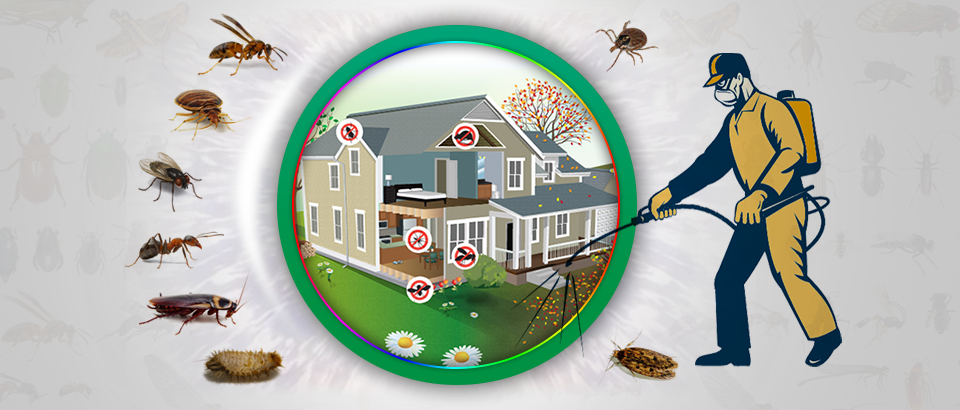
Pest Control: Practical Approaches to Secure Your Residence and Enterprise
Introduction to Pest Control
Pest Control encompasses the regulation or organization of species defined as pests – biological entities that negatively change personal actions or environments. In New Jersey, a place where diverse environments join suburban and built-up advancement, productive Pest Control is not just a indulgence but a crucial element for sustaining hygienic residential and business spaces. From the far-reaching neighborhoods of Monmouth County to the cohesive neighborhoods of Matawan, pest issues can affect any individual, no matter of how immaculate or well-kept their home may be.
The value of using potent Pest Control strategies cannot be overstated. For homeowners, pests can impair constructional soundness, taint food reserves, and pose noteworthy health dangers. Commercial entities experience these comparable difficulties, with the further unease of image damage and prospective forfeiture of clients if problems are located. Ordinary pests in New Jersey contain rodents like rats and mice, assorted arthropods such as ants, cockroaches, and bed bugs, and the remarkably detrimental termites that can inaudibly undermine a building's groundwork.
For What Reason Pest Control Is Essential
Health Perils of Pest Control Chemicals
Several pests transmit and pass on illnesses that can influence persons and pets. Rats and mice are proven carriers of hantavirus, salmonella, and leptospirosis. Cockroaches can provoke asthma occurrences and hypersensitivity effects, specifically in children. Ticks, common in New Jersey's wooded places, are distinguished for spreading Lyme disease, while mosquitoes can carry West Nile virus and Eastern Equine Encephalitis. Qualified Pest Control assists reduce these health risks by getting rid of the foundation of these conceivable disease carriers.
Building Destruction in Pest Control
The structural impairment created by pests can be substantial and costly. Termites alone produce over $5 billion in building injury each year all over the United States, with New Jersey homes being particularly exposed due to the state's atmosphere. Rats and mice can gnaw through electrical cords, forming fire perils, while their persistent chewing can damage thermal barriers, pipes, and timber structural pieces. Even relatively inoffensive ants can undermine timber structures if abandoned unmanaged, specifically carpenter ants which are widespread in Monmouth County.
Monetary Ramifications of Pest Control Services
Overlooking pest incursions can lead to major economic ramifications. What potentially originate as a trivial occurrence needing elementary procedure can quickly amplify into a considerable complication calling for broad treatment. For organizations, particularly those in the food service or accommodation businesses, pest invasions can result in failed health inspections, momentary closures, and sustained destruction to standing and client trust. Funding in routine Pest Control is not solely about direct contentment—it's a long-term fiscal security.
Pest Control: Ordinary Home and Firm Pests
Vermin (Rats and Mice)
When it involves recognizing rodent infestations in your New Jersey home, watchfulness is crucial. You could perceive dung near food supplies, in compartments, or under sinks. Chew marks on food wrapping, timber, and electrical cords are evident evidence of their existence. At night, you may perceive scrabbling rackets in barriers, roofs, or under floors as these nocturnal critters grow dynamic. If you find homes formed from fragmented documents, material, or desiccated plant substance, that's a plain symptom rodents have constructed themselves comfortable. Slick rub marks beside baseboards and dividers emerge as rodents adopt the identical paths recurrently, while your pets may display unusual demeanor such as yelping or pawing at spaces under appliances or fixtures where rodents shelter.
Rats and mice in New Jersey homes and firms pose many dangers surpassing pure disturbance. They can contaminate food and cooking counters with bacteria residing in their liquid waste and feces. Their continuous compulsion to munch can injure goods, especially cords, which forms fire risks. In Matawan and encircling vicinities, the Norway rat and house mouse are notably troublesome, prospering in both metropolitan and peripheral regions. Powerful Pest Control methods are crucial to deal with these harmful infiltrators.
Arthropods (Ants, Cockroaches, Bed Bugs)
Insect problems manifest themselves in numerous modes subject to the category. Ant predicaments develop into visible when you see perceptible ant trails going to food stocks, or when you detect little piles of earth or wood fragments made by carpenter ants. Cockroach outbreaks often present themselves through dark excrement akin to coffee grounds or black pepper, a characteristic musty odor that saturates invaded areas, and the existence of egg envelopes in secret corners. Bed bug issues appear as rust-colored speckles on mattresses and furnishings, shed skins near sleeping places, tiny blood blemishes on sheets, and uncomfortable red protuberances on skin commonly organized in a line or congregation.
Arthropods constitute the most various class of pests in New Jersey. Cockroaches can trigger asthma and hypersensitivities while distributing many microorganisms. Bed bugs, while not disease spreaders, inflict appreciable pain, sleep disturbance, and emotional distress. Certain ant species, like carpenter ants regular in Monmouth County's woodland places, can inflict structural impairment comparable to termites across time. Professional Pest Control companies can spot specific insect types and enact precise remedy methods that tackle the unique actions and sensitivities of each pest.
Termites
Detecting termite action quickly calls for grasping the understated signals of their being. You may notice cast-off wings near casements and entries after swarmers have located a mate and founded a new settlement. Mud tubes on external walls, wood beams, or in crawl openings serve as safeguarded highways for these devastating bugs. Wood that reverberates void when tapped indicates termites have been feasting from inside. Doors and openings that all at once adhere may signal warping from termite impairment, while broken or inflating paint reminiscent of water damage often disguises termite activity beneath. Locating frass—termite pellets resembling diminutive wood-colored bits—supplies another validation of their objectionable presence.
Termites constitute perhaps the most important constructional threat among all typical pests. In New Jersey, the Eastern subterranean termite is frequent and notably detrimental. These organisms can stay unseen for eras while creating extensive destruction to lumber constructional parts. Homes in Matawan and throughout all of Monmouth County, especially older homes, are at risk to termite infestations. The usual cost of term pest control.
Pest Control Protection Considerations
Safe Use of Products and Substances in Pest Control
As pesticides grow essential in your pest control plan, focusing on safety demands consideration to several crucial approaches that safeguard people, companions, and the ecosystem. Consistently study and follow label guidelines exactly, as these legally-binding guidelines show comprehensive evaluation and governmental review created to reduce dangers. Apply the smallest efficient quantity of product to reach elimination while decreasing unneeded chemical introduction into your home area. Use chemicals only in locations designated on the label, avoiding improper uses that may generate unexpected dangers or decrease efficacy. Don appropriate protective apparatus as stated by chemical companies to prevent individual exposure during application. Maintain chemicals in their factory containers with directions intact to preserve availability to protection information and avoid confusion. Document comprehensive documentation of all treatments, noting chemicals utilized, concentration levels, locations treated, and dates of application for later consultation. Ensure sufficient curing and air circulation before returning to treated locations, specifically crucial in New Jersey's climate where moisture can influence drying periods. Consider less-toxic alternatives when viable, as improvements in pest control have produced many lower-toxicity options that keep performance while decreasing possible risks.
Safeguarding Pets and Kids Throughout Pest Control Treatments
Particular measures grow necessary when executing pest control measures in homes with sensitive household members. Take away pets while performing application and until spaces are dry to prevent close interaction with damp chemicals or gases that could create adverse effects. Cover or relocate pet meals, water containers, and playthings before treatment to avoid contamination that could result in unintentional eating. Keep children's items apart from treatment areas, specifically things that small kids might insert in their mouths. Disinfect and sanitize meal cooking surfaces after application, even if they weren't immediately serviced, to eliminate any leftovers that might have gathered during treatment. Hold young ones away from serviced spaces for the suggested duration, lengthening this period for mobile infants who have greater direct contact with surfaces and lower spaces. Evaluate animal-friendly and kid-friendly chemical alternatives when obtainable, as many current formulations aim at particular pest physiology while limiting animal toxicity. Most crucially, notify qualified applicators about the presence of pets, kids, or expecting household members before they develop treatment strategies, permitting them to adapt approaches and product choices accordingly.
Legal Guidelines and Adherence with Pest Control
Pest control in New Jersey operates within a legal system intended to safeguard community health and the environment while ensuring effective pest control. The New Jersey Department of Environmental Protection manages pest management activities, necessitating qualified pest management firms to satisfy certain specifications. Companies must use authorized specialists who have cleared government tests displaying competency in pest biology, application procedures, and security protocols. These businesses must maintain correct coverage coverage defending both their professionals and their customers from likely damages or harm associated with pest control procedures. Strict guidelines govern product housing, transportation, and removal to eliminate natural exposure and improper access. Specialists must supply Safety Data Sheets upon demand, noting the characteristics and dangers of substances utilized in treatments. Notice standards relate for specific treatments, particularly in apartment residences or industrial areas with multiple inhabitants. Comprehensive application notes must be upheld, establishing an audit history of pest control activities. Additionally, only substances registered for application in New Jersey may be officially applied, ensuring that local natural circumstances and habitats have been examined in the permission system. For commercial buildings in Matawan and throughout Monmouth County, extra regulations may relate based on the field, particularly for restaurant business, medical, and child care centers where pest management connects with additional community health factors.
Environmentally-Friendly Pest Control Alternatives
Combined Pest Management (IPM) Method
Comprehensive Pest Management represents the highest measure in today's pest control, centering on sustained avoidance through a blend of methods that reduce environmental influence while maximizing performance. The IPM procedure initiates with comprehensive inspection and observation to determine pest activity accurately, establishing foundation details about types present and number sizes. This leads to exact recognition of pest varieties, making certain elimination efforts target individual patterns and exposures rather than using universal treatments. Experts set limit numbers that warrant response, understanding that the basic detection of a small number of creatures does not necessarily call for intervention if quantities remain less than injurious amounts. When control becomes necessary, IPM applies multiple control approaches in coordination, usually beginning with low-impact approaches and advancing only when necessary. Across the method, professionals evaluate effectiveness and adjust strategies as needed, forming a responsive system adaptive to evolving circumstances. Most significantly, IPM stresses protection over elimination, dealing with physical and ambient conditions that encourage pest numbers rather than simply eliminating existing insects. Many pest control businesses in New Jersey supply IPM-based solutions that match with the state's initiative toward lower-risk pest management procedures, specifically in vulnerable environments like schools, healthcare establishments, and meal preparation centers.
Alternative Management Techniques
Efficient pest control often combines chemical-free techniques that can fix or lower pest problems without bringing substances into the area. Tangible blockades such as filters, door strips, and sealing stop pest invasion entirely, check here dealing with the issue at its source. Direct controls like devices and blocking devices eliminate active creatures while preventing further entries. Organic controls involving helpful insects and organisms bring organic antagonists that aim at particular insects while maintaining helpful life forms protected. Behavioral approaches modify the conditions to discourage creatures, such as altering moisture routines to minimize dampness that brings particular creatures. Habitat change reduces hiding places and nutrition sources, causing sites reduced attractive to undesired inhabitants. For certain insects like bedbugs, thermal procedures supply extremely productive treatment without synthetic remains by increasing thermal levels above the thermal lethal point for all growth phases of the intended pest. In the same way, refrigeration procedures for preserved goods organisms like food bugs or kitchen insects can destroy infestations in food goods without harmful exposure. These methods demonstrate particularly beneficial in New Jersey's different settings, where proximity to marine systems, protected environmental zones, and concentrated community hubs forms multiple conditions where synthetic minimization grows desirable or needed.
Eco-Conscious Pest Control Control Solutions
The pest control sector keeps to progress toward increasingly eco-conscious methods that preserve performance while reducing ecological effect. Plant-based products derived from plant essences like pyrethrum, neem, and natural extracts deliver precise treatment with reduced longevity in the ecosystem. Microbial pesticides containing bacteria, spores, or organisms that aim at certain pest insects supply accuracy that standard wide-range pesticides are unable to equal. Growth regulators that block pest breeding by interfering with life cycle phases supply sustained number reduction without direct poisonous impacts on developed creatures. Chemical systems that track or disrupt pest reproduction aid establish when intervention grows essential and can stop breeding in particular varieties. The industry progressively implements reduced-risk chemicals with small environmental effect, shifting apart from previous formulations with broader impacts on beneficial organisms. Precision delivery equipment that decrease overall chemical usage provide applications directly where essential rather than broadcasting substances over broad areas. Green certification programs for pest control businesses set requirements for environmentally superior service and provide clients with clear recognition of services pledged to green practices. In naturally sensitive regions of New Jersey, featuring parts of Monmouth County with distance to liquid bodies, these sustainable methods are specifically valuable for protecting both people's wellbeing and environmental habitats while nonetheless providing effective pest elimination.
Finding a Local Pest Control Service Provider in New Jersey
Capitol Exterminating System
272 NJ-34
Matawan, NJ 07747
(732) 441-1900
Often Requested Inquiries (FAQs) about Pest Control
How regularly should pest control be performed?
For most New Jersey properties, quarterly pest control delivers sufficient safeguarding against recurring pest pressures. This routine matches with the area's different cycles, each producing different pest difficulties that demand protective focus. Early season applications generally address arising ant communities and overwintered creatures growing energetic. Summer treatments emphasize on mosquitos, ticks, and numerous winged bugs that succeed in heated temperatures. Fall procedures ready residences for small mammals and surviving pests searching for harborage as conditions fall. Winter treatments keep defense against inside creatures while handling mouse and rat problems at its peak. However, this schedule may grow for properties with specific danger conditions or active troubles that need greater intensive control. Houses near wooded zones in Monmouth County may advantage from additional tick and flying insect treatments within top periods. Structures with record of certain pest issues commonly demand specific additional treatments beyond the standard quarterly timing. Business establishments, notably restaurant preparation operations in locations like Matawan, commonly call for monthly care to sustain agreement with sanitary standards and prevent invasions that could hurt reputation and business functions.
Is qualified pest control harmless for pets?
When conducted correctly, professional pest control can be harmless for pets through deliberate material choosing and application methods that reduce contact. Contemporary targeted employment techniques and reduced-risk products have considerably enhanced safety aspects versus traditional pest control methods. Contemporary treatments regularly utilize products particularly created to have limited harm to animals while staying productive against specific organisms with different anatomies. Expert applicators receive preparation in application techniques that put products in areas companions are unable to access, such as wall voids, fissures and gaps, or beneath appliances. Nevertheless, companions should be removed during application and until all applications have solidified fully, obeying specific waiting durations advised by the substance manufacturer and specialist. Fish containers should be protected and ventilation pumps shut down throughout procedure to eliminate pollution from suspended substances. Pet items including sleeping areas, toys, and eating equipment should be taken away or enclosed throughout application. Review any concerns with your pest control specialist, who can propose appropriate rest times depending on the specific services applied and modify techniques for residences with specifically susceptible animals like flying animals or reptiles that may have different bodily vulnerabilities than felines and canines.
What are the signs of a major pest issue?
Apart from observable creatures themselves, numerous warning signs show likely severe issues demanding immediate pest control response. Uncommon aromas regularly appear with big invasions – musty, fatty odors may reveal rodents, while sweet, distinctive scents sometimes come with German cockroach groups. Mysterious structural destruction like sinking boards, peeling paint, or breaking lumber may expose wood-destroying insect presence or carpenter ant invasions ruining construction pieces. Unusual noises within partitions or upper spaces, notably at dark, regularly show mouse and rat presence as these nighttime organisms grow energetic in concealed places. Abundant dust appearing as small sawdust near lumber parts may actually be frass or feces from lumber-eating organisms. Some households encounter unknown medical troubles like airway problems or itching that go away when gone from house, likely showing bug problems impacting internal air quality. In New Jersey houses, special care should be directed to cellar and foundation spaces where moisture issues can maintain pest populations, especially in aged houses throughout Monmouth County where base fissures and crumbling material offer many access places. Encountering numerous dead pests of the identical species suggests a larger community nearby, while oil traces near floor edges indicate set mouse and rat trails with regular traffic.
Can I stop insects without pest control substances?
Yes, various insects can be avoided through proper cleanliness, blocking, and living space alteration without employing chemical interventions. The basis of non-toxic pest control begins with comprehensive barrier work – sealing openings, spaces, and entrances that allow creatures to penetrate structures in the beginning spot. Setting up entry sweeps, mending damaged filters, and sealing infrastructure openings gets rid of usual entry spots. Getting rid of feeding options through appropriate nutrition containment in closed receptacles, quick elimination of accidents and fragments, and regular trash disposal markedly lowers attractants that attract insects inside. Reducing moisture by repairing flowing pipes, enhancing air movement in wet zones, and addressing water flow concerns stops the liquid origins many pests call for. Keeping a buffer region around structures by reducing foliage, removing plant litter, and keeping timber lifted and apart from properties minimizes hiding locations and invasion locations. Utilizing tangible barriers like copper mesh or steel fiber to stop larger openings provides permanent prevention for small mammals and rodents. Consistent sanitation that features vacuuming cracks and openings removes bug larvae and feeding waste that support pest growth. For active problems, nonetheless, some kind of management substance may be essential to resolve set problems, though numerous safer solutions are obtainable such as natural silica material, boric powder, and pest-killing detergents that provide reduced threat relative to traditional substances.
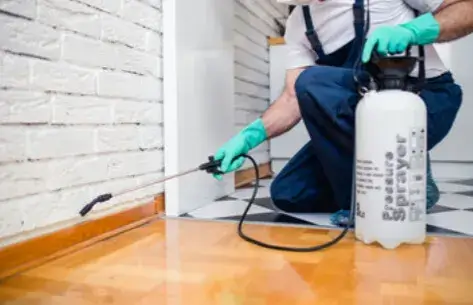
What should I expect while having specialist pest control procedure?
A professional pest control application usually commences with a thorough evaluation to determine pest types, entry places, and conducive conditions relating to the concern. The technician should use effort inspecting both internal and external zones, devoting focused care to food preparation areas, bathing facilities, basements, and border structural supports where pest movement commonly focuses. Subsequent to this evaluation, the professional should detail their findings in detail and recommend a procedure strategy customized to your unique case, discussing both the specific organisms and the procedures proposed for managing them. You may be given preparation directions before application, probably including repositioning belongings, clearing particular spaces, or safeguarding companions. Throughout the treatment, the expert will use correct substances to specific zones according to the pest species identified, centering on gaps, spaces, and pest refuge zones rather than broadcasting applications over complete surfaces. They may position observation tools like insect catches or bait containers that aid follow advancement and supply continuing protection. After concluding services, a qualified person should describe any following-application guidelines such as air circulation needs, access periods, or surfaces to wipe. Before going, they should plan subsequent appointments if necessary for especially stubborn insects like sleeping pests or German insects that generally call for several services for total eradication. Across this method, specialists should accept concerns and give obvious data about the products and procedures applied, showing their education and commitment to both performance and protection.
Efficient pest control is an essential component of preserving clean, protected dwelling and professional environments in New Jersey. From the moist summers that create flying insects and parasites to the colder months when small mammals seek harborage indoors, pest threats stay a continuous problem for occupants and organizations in Monmouth County and Matawan. By understanding common pests, employing preventive measures, and knowing when to look for specialist assistance, property operators can defend their holdings and the safety of inhabitants.
Using a proactive strategy to pest control is always increasingly effective and affordable than responding to active problems. Frequent examinations, appropriate maintenance, and handling small issues before they worsen can stop the considerable costs and problems linked with major pest issues. When expert support becomes essential, choosing a reputable, qualified pest control service who utilizes combined pest treatment principles ensures effective solutions with small ecological influence.